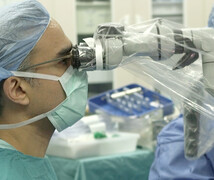
En el verano de 2025, Marisa Chow, residente de Charlotte, NC, tenía 28 años cuando sufrió un accidente cerebrovascular. Meses después, le diagnosticaron enfermedad de Moyamoya, una afección cerebrovascular poco común en la que las arterias estrechas reducen el suministro de sangre al cerebro. Chow llegó a Duke Health, donde el especialista en neurocirugía Erik F. Hauck, MD realizó una revascularización quirúrgica de arteria cerebral para mejorar el flujo sanguíneo en el cerebro de Chow. Ahora Chow dice que "ha vuelto a ser como era, sinceramente, ni siquiera antes de la cirugía, sino antes de que comenzara a experimentar todos los síntomas".
Síntomas sin explicación causan preocupación
A pesar de cambiar su dieta y hacer más ejercicio, la presión arterial alta de Marisa Chow no disminuía. Entonces comenzó el entumecimiento: al principio, solo era su pierna derecha. Estaba en el trabajo en mi escritorio escribiendo, y me levantaba para ir a hacer algo, y no podía caminar... Tenía miedo de salir y hacer algo por mi cuenta porque no estaba segura de si me iba a caer.
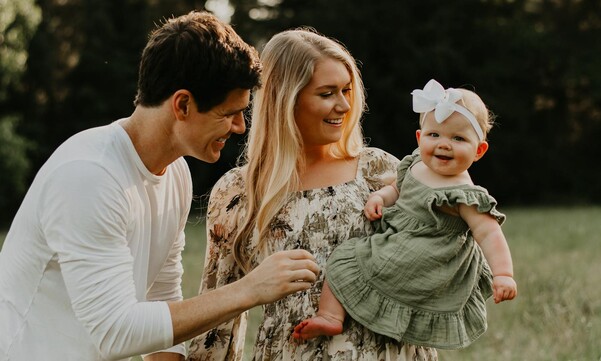
Durante un viaje a la tienda de comestibles, todo el lado derecho del cuerpo de Chow se entumeció y luego un lado de su rostro comenzó a caerse. Chow llamó a su esposo, quien la llevó rápidamente a la sala de emergencias. Se sorprendió al saber que había tenido un accidente cerebrovascular. Verse con la cara caída y no poder hablar es muy aterrador, y no podía imaginar que eso ocurriera de nuevo. Es una experiencia que no desearía para nadie”, dijo Chow.
Buscando respuestas
Chow acudió a un especialista en neurología para averiguar qué estaba pasando. Después de muchas pruebas, un médico notó venas retorcidas en el cuello y el cerebro de Chow, signo revelador de la enfermedad de Moyamoya.
Por lo general, Moyamoya comienza con las arterias carótidas, dos vasos sanguíneos principales a cada lado del cuello que suministran sangre al cerebro. Finalmente, se vuelven tan angostos que se cierran. Luego, los vasos sanguíneos más pequeños en el cerebro comienzan a cerrarse. El cerebro se adapta creando nuevos vasos diminutos, pero son demasiado pequeños para transportar suficiente sangre al cerebro. Esto puede causar síntomas similares a los de un accidente cerebrovascular. En los estudios de imágenes, estos vasos se ven como una bocanada de humo, lo que se traduce como "moyamoya" en japonés.
Encontrar al cirujano adecuado para Moyamoya
El día del diagnóstico de Chow, su médico en Charlotte dijo que quería operar dos semanas después. Chow no estaba lista para someterse a cirugía cerebral tan pronto, por lo que buscó una segunda opinión en Duke Health.
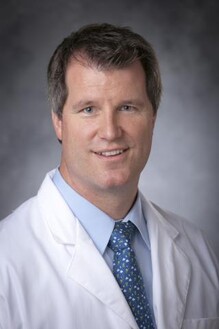
Hice mucha investigación y el Dr. Hauck seguía apareciendo", comentó Chow. Se especializa en Moyamoya, lo cual me brindó mucho consuelo, y había algo especial en su energía. Cuando usted se reúne con él, es muy tranquilo y seguro de sí mismo. Nada se sintió apresurado.
El Dr. Hauck le dijo a Chow que era una excelente candidata para la revascularización quirúrgica cerebral, pero que no tenía que suceder de inmediato. También dijo: "No va a morir mañana". Estará bien. Si desea irse de vacaciones de verano, hágalo", dijo Chow. Me hizo sentir en paz. Estoy como, está bien, todo va a estar bien. Sí, este es un procedimiento aterrador, pero tengo la oportunidad de trabajar con un médico que es muy seguro, muy tranquilo, y revisó todo, incluidas las posibles complicaciones, cómo se desarrollaría realmente el procedimiento y cómo sería la recuperación. No fue una conversación apresurada, y creo que esa primera impresión es lo que me convenció.
Conozca más sobre la decisión de Marisa de venir a Duke para su atención de Moyamoya.
Revascularización quirúrgica de arteria cerebral
Durante la revascularización quirúrgica de la arteria cerebral, se extrae una arteria sana (por lo general, una cerca de la oreja que tiene un grosor similar al de una aguja de coser) y se conecta a una arteria sana del cerebro. El incremento del flujo sanguíneo es inmediato. Con el tiempo, el vaso cosechado crece hasta seis o siete veces su tamaño original, lo que mejora aún más el flujo sanguíneo.
La cirugía es muy delicada", dijo el Dr. Hauck. Hay muchos pasos involucrados, y todos deben ser perfectos, uno conduciendo al siguiente. Si una parte no está bien, entonces el conjunto no funciona. A pesar de que la enfermedad de Moyamoya es poco común, el Dr. Hauck y sus colegas realizan habitualmente revascularización quirúrgica de arterias cerebrales en personas que acuden a Duke desde todo el país. Esa experiencia y sus conocimientos son cruciales.
Recuperación y más allá
Chow se sometió a una revascularización quirúrgica de la arteria cerebral en agosto de 2025 y regresó a casa cinco días después. En general, el proceso de recuperación fue realmente muy fácil", comentó. Para quien gusta de hacer muchas cosas y trabaja mucho, no poder hacer nada de eso fue probablemente lo más difícil.
Hoy, Chow ha vuelto a la vida normal. Consulta al Dr. Hauck varias veces al año para monitorear su cerebro. Siento que recupero mi impulso y mi fuerza", dijo Chow. Es agradable ver cuánto he avanzado.