TUBA-WISP II Trial (Ovarian Cancer) - Clinical Trial
¿Cuál es el Propósito de este estudio?
We are doing this study to compare 2 different surgical options for the prevention of ovarian cancer. We want to know which option is likely to produce the best outcomes for women who have genetic mutations that put them at high risk for developing ovarian cancer.
¿Cuál es la Condición que se está estudiando?
Ovarian Cancer Prevention
¿Quién puede participar en el Estudio?
Women who:
- Are ages 25-40 and positive for BRCA1 mutation; OR
- Are ages 25-45 and positive for BRCA2 mutation; OR
- Are ages 30-50 and positive for BRIP1, RAD51C, RAD51D, and PALB2 mutations
For more information, contact the study team at lauren.march@duke.edu.
Grupo etario
Adultos
¿Qué Implica?
If you choose to join this study, you will discuss 2 different options for prevention of ovarian cancer with the study doctor and team and make your choice of which option you would like to pursue. The 2 options are:
- Risk-Reducing Salpingectomy with Delayed Risk-Reducing Oophorectomy: This option involves removing one or both fallopian tubes and then having one or both ovaries removed at a later time. This option is not the standard-of-care at this time.
- Risk-Reducing Salpingo-oopherectomy: This option involves the removal of one or both fallopian tubes and one or both ovaries at the same time. It is considered the standard-of-care option at this time.
Detalles del Estudio
Título Completo
RISK REDUCING SALPINGECTOMY WITH DELAYED OOPHORECTOMY AS AN
ALTERNATIVE TO RISK- REDUCING SALPINGO-OOPHORECTOMY IN HIGH RISKWOMEN TO ASSESS THE SAFETY OF PREVENTION - US COHORT STUDY
Investigador Principal
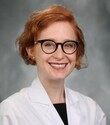
Haley A. Moss, MD, MBA
Especialista en oncología ginecológica
Número de Protocolo
IRB:
PRO00116596
Fase
Fase N/A
Estado de inscripción
Abierto para inscripción