Genetic Study for SCD and CHD (Heart Disease) - Clinical Trial
¿Cuál es el Propósito de este estudio?
We are doing this study to learn more about the cause of cardiac (heart) disease or sudden unexplained death, which is something that can run in families.
Some conditions that we are looking at are:
- Cardiomyopathies (a disease of the heart muscle that makes it harder for your heart to pump blood to the rest of your body) like hypertrophic cardiomyopathy, dilated cardiomyopathy, or arrhythmogenic cardiomyopathy (also called right ventricular cardiomyopathy)
- Arrhythmia syndromes (a problem with the rate or rhythm of the heartbeat, either too slow or too fast) like long QT syndrome, Brugada syndrome, catecholaminergic polymorphic ventricular tachycardia, or short QT syndrome
- Sudden cardiac arrest or unexplained sudden death (heart stops suddenly) in someone less than 50 years of age, including sudden infant death syndrome (SIDS)
- Individuals with genetic mutations (variants) in genes that can lead to cardiac disease which include (LMNA, ATP1A3, and TAX1BP3)
¿Cuál es la Condición que se está estudiando?
Children and adults with unexplained sudden death or heart disease that was diagnosed before the age of 80 years old
¿Quién puede participar en el Estudio?
Children and adults can participate in this study.
For more information about who can be in this study, please contact the study team at landstromlab@duke.edu.
Grupo etario
Adultos, Niños
¿Qué Implica?
Si elige unirse a este estudio, podrá:
- Give a blood sample (must be able to travel to Duke for this)
- We may also ask family members to join the study to learn more about a disease running in the family
Detalles del Estudio
Título Completo
The Genetic and Molecular Basis of Sudden Cardiac Death-Predisposing Diseases and Congenital Heart Conditions
Investigador Principal
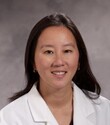
Jennifer S. Li, MD
Especialista en cardiología pediátrica
Número de Protocolo
IRB:
PRO00094341
Fase
Fase N/A
Estado de inscripción
Abierto para inscripción